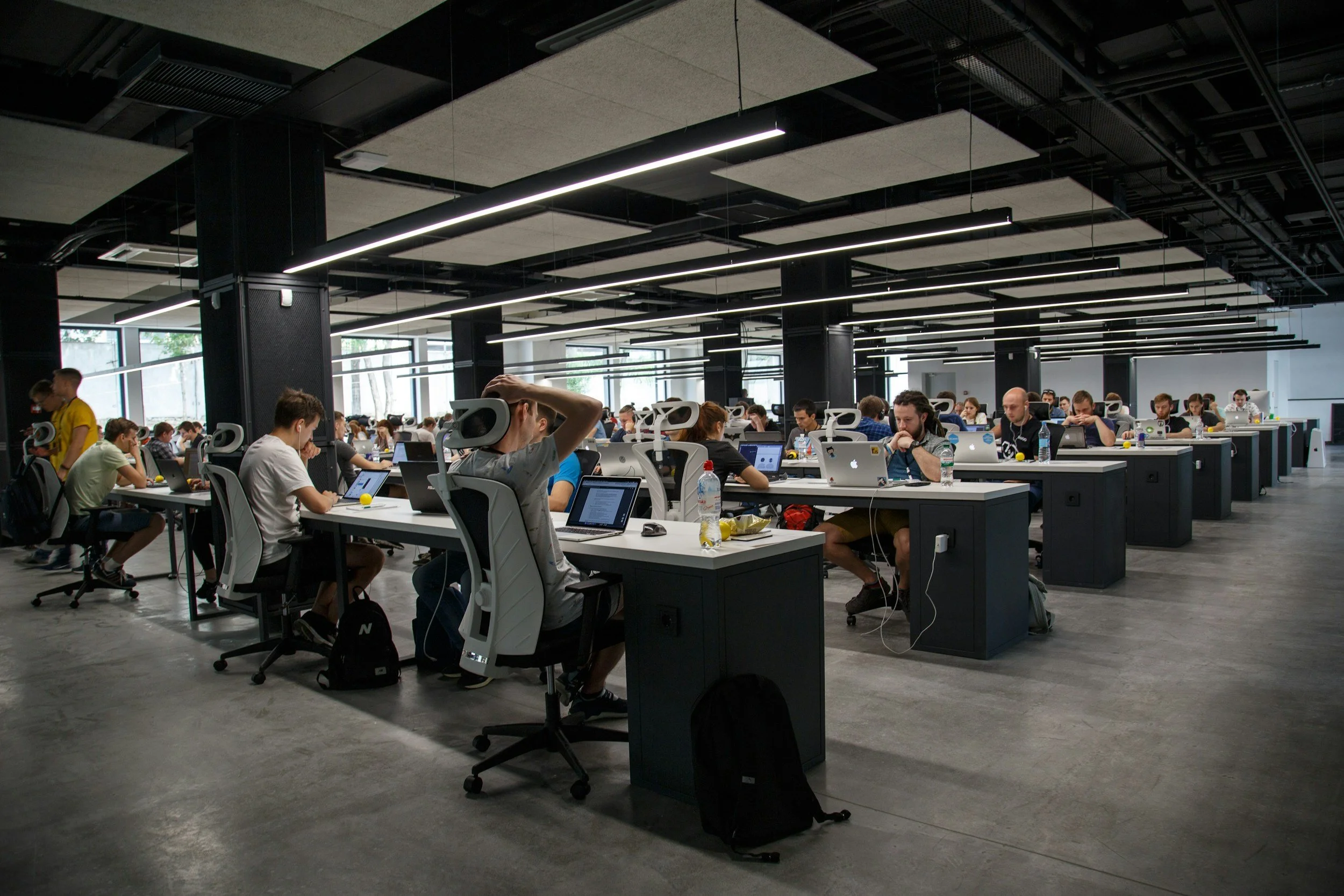
Too Many Emails, Meetings, and Notifications? Managing Overstimulation at Work
For many people, working in a corporate office environment can be mentally exhausting—and not just because of the workload. Between constant emails, back-to-back meetings, ringing phones, office chatter, fluorescent lighting, and endless notifications, it's easy to feel overstimulated by the end of the day.
Overstimulation occurs when our brains are taking in more information than they can comfortably process. While everyone experiences it differently, common signs include irritability, difficulty concentrating, mental fatigue, feeling emotionally overwhelmed, increased anxiety, headaches, or a strong desire to withdraw from others.
If you've ever found yourself staring blankly at your computer after a day of meetings or feeling unusually exhausted despite sitting at a desk all day, overstimulation may be playing a role.
The good news is that there are practical ways to reduce sensory and mental overload, even in a busy corporate environment.
1. Create Small Moments of Quiet Throughout the Day
Many office workers don't realize how rarely their brains get a true break. It's common to move directly from checking emails to attending meetings to responding to messages without any pause in between.
Instead of waiting until the end of the day to decompress, try building short moments of quiet into your workday. This might mean taking a five-minute walk outside, eating lunch away from your desk, sitting in a quiet conference room for a few minutes, or simply closing your eyes and taking a few slow breaths between tasks.
These brief pauses may seem insignificant, but they give your nervous system a chance to reset before reaching a state of overwhelm.
2. Reduce Unnecessary Input
While some workplace stimulation is unavoidable, much of it can be managed.
Consider silencing nonessential notifications, closing unused browser tabs, wearing noise-canceling headphones when appropriate, or blocking off focus time on your calendar. If your workplace allows flexibility, you might also choose a quieter workspace or schedule your most demanding tasks during times when interruptions are less likely.
Many people assume they need to respond immediately to every email, message, or request. In reality, constantly shifting attention between tasks often increases stress and decreases productivity. Creating boundaries around when and how you engage with incoming information can make a significant difference.
3. Pay Attention to Your Personal Warning Signs
One of the most helpful skills for managing overstimulation is learning to recognize it early.
Ask yourself: What happens when I'm beginning to feel overloaded? Do I become irritable? Struggle to focus? Feel physically tense? Start making mistakes?
The earlier you notice these signs, the easier it becomes to intervene before overwhelm takes over. Think of these signals as useful information rather than something to push through.
Many people are surprised to discover that their productivity improves when they stop treating themselves like machines. Our brains were not designed for hours of uninterrupted input, multitasking, and constant accessibility.
If you're feeling overstimulated at work, it doesn't necessarily mean you're doing something wrong or that you're not cut out for your job. It may simply mean your nervous system is asking for more balance. By creating moments of quiet, reducing unnecessary input, and paying attention to your own warning signs, you can make the workday feel more manageable and protect your mental well-being in the process.
Learn more: What is work stress and how can therapy help?
Related Posts