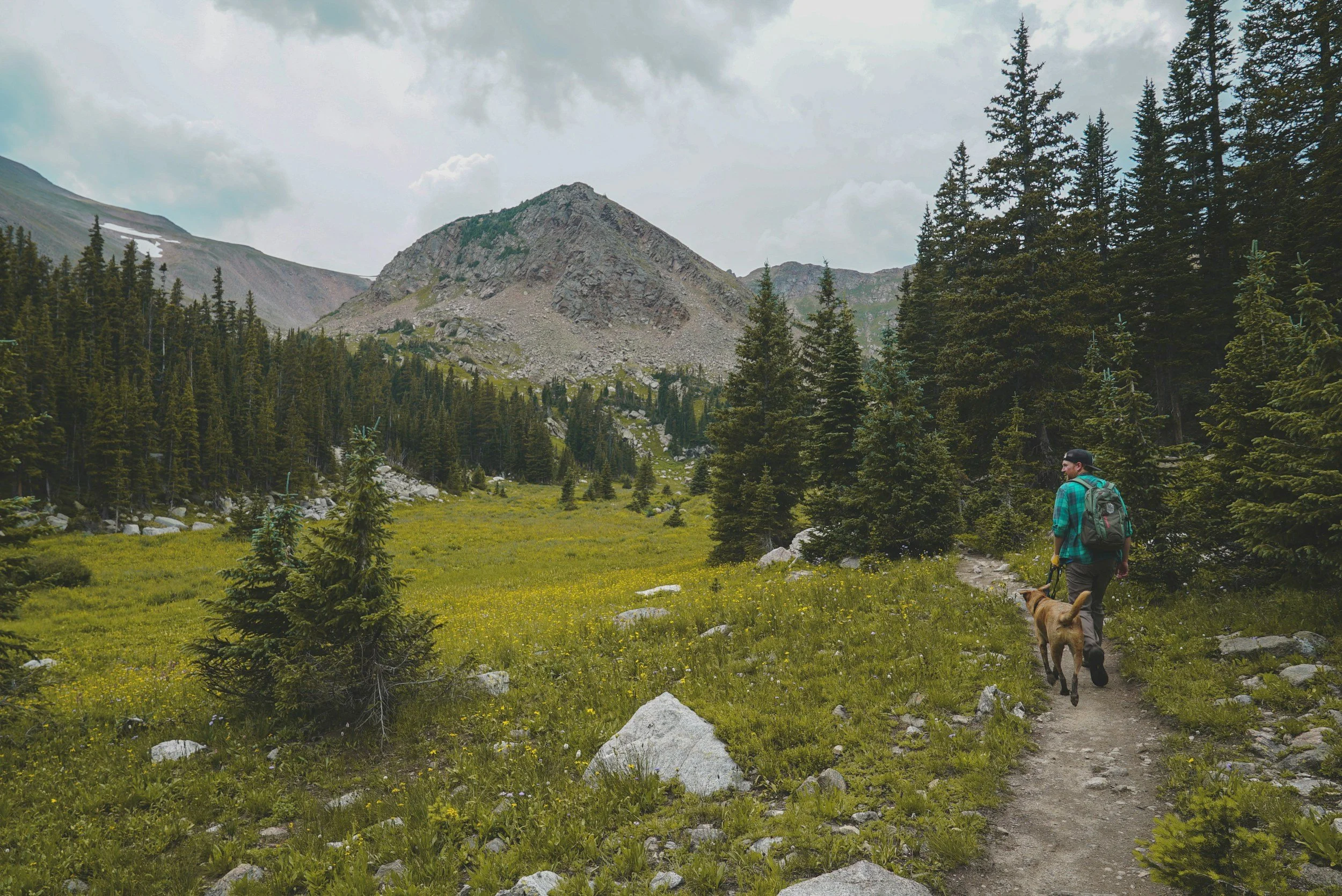
Hiking for Your Mental Health: Exploring Colorado’s Trails From Denver
Living in Denver means having access to something pretty special: the mountains are just outside your door. For many adults, hiking can be more than a way to get exercise or enjoy a beautiful view. Spending time outdoors can provide an opportunity to slow down, reconnect with your body, step away from daily stressors, and create space for reflection.
Hiking is not a replacement for therapy or mental health treatment, but it can be one tool for supporting overall well-being. Research has linked time spent in nature and physical activity with benefits for mood, stress, and psychological well-being. Even a relatively short walk outside can provide an opportunity to shift your attention away from screens, work, and the constant demands of daily life.
Where Can You Hike Near Denver?
Colorado offers options for a wide range of experience levels. Mount Falcon Park, located west of Denver, offers several trails and mountain views without requiring a full-day trip from the city.
For those looking for a more challenging experience, Chautauqua Park in nearby Boulder provides access to trails with views of the Flatirons. Red Rocks Park and Amphitheatre is another accessible option, offering walking and hiking opportunities surrounded by distinctive red sandstone formations.
If you are looking for something quieter or less strenuous, consider exploring trails at Roxborough State Park, where visitors can enjoy dramatic geological formations and open space. Always check current trail conditions, weather, closures, altitude considerations, and your own physical limits before heading out.
The goal does not need to be reaching the summit. Sometimes the most valuable part of a hike is simply being present for the experience.
What Does Hiking Have to Do With Mental Health?
Hiking naturally engages several things that can support emotional well-being. You are moving your body, breathing fresh air, noticing your surroundings, and often spending time away from the distractions of everyday life.
You might notice your breathing becoming slower as you walk. You may become aware of tension in your shoulders or jaw. You might notice your feet making contact with the ground or feel the temperature of the air against your skin.
These moments of noticing can resemble some of the principles used in somatic therapy, an approach that incorporates awareness of bodily sensations into therapeutic work.
Somatic therapy often invites clients to become more aware of how emotions, stress, and experiences show up in the body. Rather than focusing exclusively on thoughts, clients may learn to notice sensations such as tension, restlessness, heaviness, warmth, or changes in breathing.
A hike can provide a natural opportunity to practice this type of body awareness.
For example, pause during your next hike and ask yourself: What am I noticing in my body right now? You might notice your heart beating faster after an incline, your shoulders relaxing as you stop, or your breathing changing as you take in your surroundings.
There is no need to interpret every sensation. Simply noticing can be enough.
Making Your Hike a Mindful Experience
Try leaving your headphones at home for part of your hike and paying attention to what you can hear, see, smell, and feel. Notice the texture of the trail beneath your feet. Take a few slower breaths. Pay attention to moments when your mind wanders and gently return your attention to your surroundings.
You can also use hiking as an opportunity to reflect on a question without pressuring yourself to solve anything. What do I need more of right now? What has been taking up most of my mental energy? What would feeling grounded look like for me?
And remember that you do not need to hike alone. Spending time outdoors with a friend or loved one can combine movement, nature, and social connection.
If you are experiencing persistent anxiety, depression, trauma-related symptoms, burnout, or difficulty managing stress, consider reaching out to a therapist or qualified mental health professional. A therapist can help you explore what is happening emotionally and physically and identify strategies that fit your individual needs. For those interested in somatic therapy, you can specifically look for a clinician with training in a somatic or body-oriented approach.
You do not have to climb the highest peak to take care of your mental health. Sometimes, taking one step at a time, noticing your breath, and giving yourself permission to slow down can be a meaningful place to start.
Learn more: What is somatic therapy and what are some signs that you could benefit from it?
Learn more: Who are our therapists in Denver that offer somatic therapy?
Related Posts