When the Job Follows You Home: Understanding Trauma and PTSD in First Responders
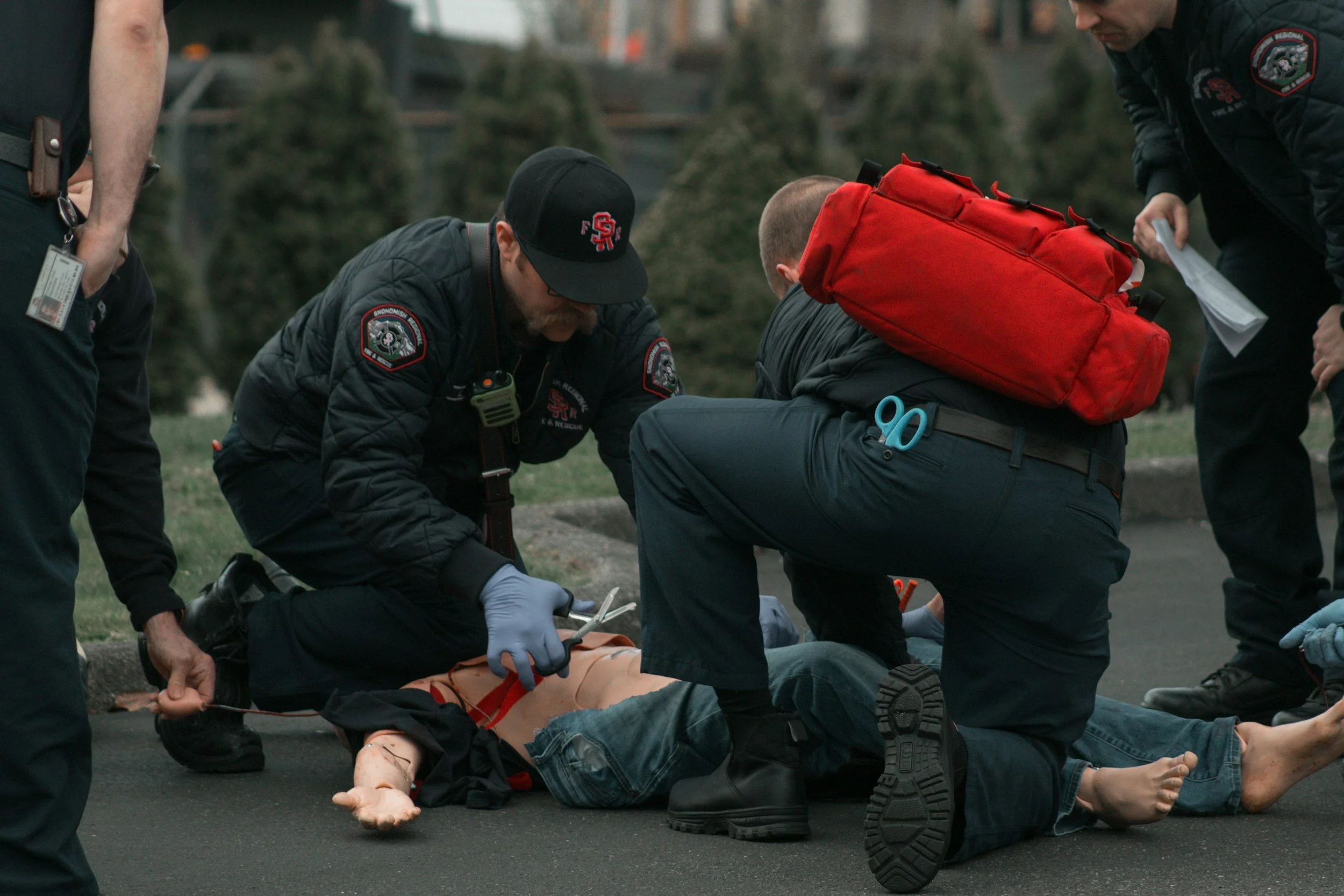
First responders spend their careers helping people through some of the most difficult moments imaginable. Police officers, firefighters, emergency medical technicians, paramedics, dispatchers, and other emergency professionals regularly encounter accidents, injuries, death, violence, and other potentially traumatic situations. While training can help professionals respond effectively in a crisis, it does not necessarily protect them from the emotional impact of repeatedly witnessing or experiencing trauma.
For adults working in Washington, D.C., the demands of first responder work can be particularly intense. A fast-paced urban environment brings a steady stream of emergencies, while long shifts, unpredictable schedules, and high levels of responsibility can make it difficult to find time to recover between calls.
The Mental Health Impact of First Responder Work
Research consistently shows that first responders face elevated risks for mental health concerns, including PTSD, anxiety, depression, sleep difficulties, and substance use. A 2025 meta-analysis of 138 studies found that approximately 14.3% of first responders in samples experiencing routine occupational exposures had PTSD, highlighting the mental health impact of repeated exposure to potentially traumatic events.
Trauma does not always show up immediately. Someone may initially feel fine after a difficult call and notice changes months or even years later. Symptoms of PTSD can include intrusive memories or nightmares, avoidance, feeling constantly on guard, irritability, emotional numbness, difficulty sleeping, or feeling disconnected from people and activities that once felt meaningful.
Burnout can also develop alongside trauma. When someone spends years operating in a high-alert environment, it can become difficult to transition into a state of rest, even when they are no longer at work.
How Can Therapy Help?
A therapist who understands first responder culture can provide a space where professionals do not have to be “on.” Instead of having to minimize experiences or immediately move on to the next call, therapy provides an opportunity to process what happened and explore how it may be affecting life outside of work.
Trauma-focused approaches can be particularly helpful when someone is experiencing PTSD symptoms. Research examining psychological interventions for first responders has found that treatments were associated with reductions in PTSD, depression, and anxiety symptoms, with CBT-based and clinician-delivered interventions showing particularly promising results for PTSD.
Eye Movement Desensitization and Reprocessing (EMDR) is another approach that has been studied with first responders. A systematic review found preliminary evidence that EMDR may help reduce symptoms associated with work-related trauma, although researchers noted limitations in the quality and consistency of the available studies.
Therapy does not necessarily mean spending every session talking about traumatic calls. Treatment can also focus on sleep, relationships, emotional regulation, boundaries, identity, stress management, and the transition between work and home.
Finding the Right Therapist
For many first responders, finding a therapist who understands the realities of the profession can make therapy feel more accessible. Consider looking for someone with experience working with trauma, PTSD, emergency service professionals, or occupational stress.
It can also be helpful to ask a potential therapist questions such as:
“Have you worked with first responders before?”
“What approaches do you use to treat PTSD and occupational trauma?”
“How do you approach therapy with someone who isn't comfortable talking about emotions?”
You deserve a therapist who understands that seeking support does not mean you are unable to handle your job. In fact, taking care of your mental health can be another way of taking care of yourself while continuing to do demanding and meaningful work.
If experiences from work are affecting your sleep, relationships, mood, ability to relax, or overall quality of life, consider reaching out to a therapist or other qualified mental health professional. You do not need to wait until symptoms become overwhelming before asking for support.
First responders spend their careers showing up for other people. Therapy can provide a place where someone can show up for you. We’re here to support you, whatever you’re going through. Visit emberpsychotherapycollective.com/dc-team to learn more.
Learn more: Can trauma therapy help me feel “normal” again?
Related Posts