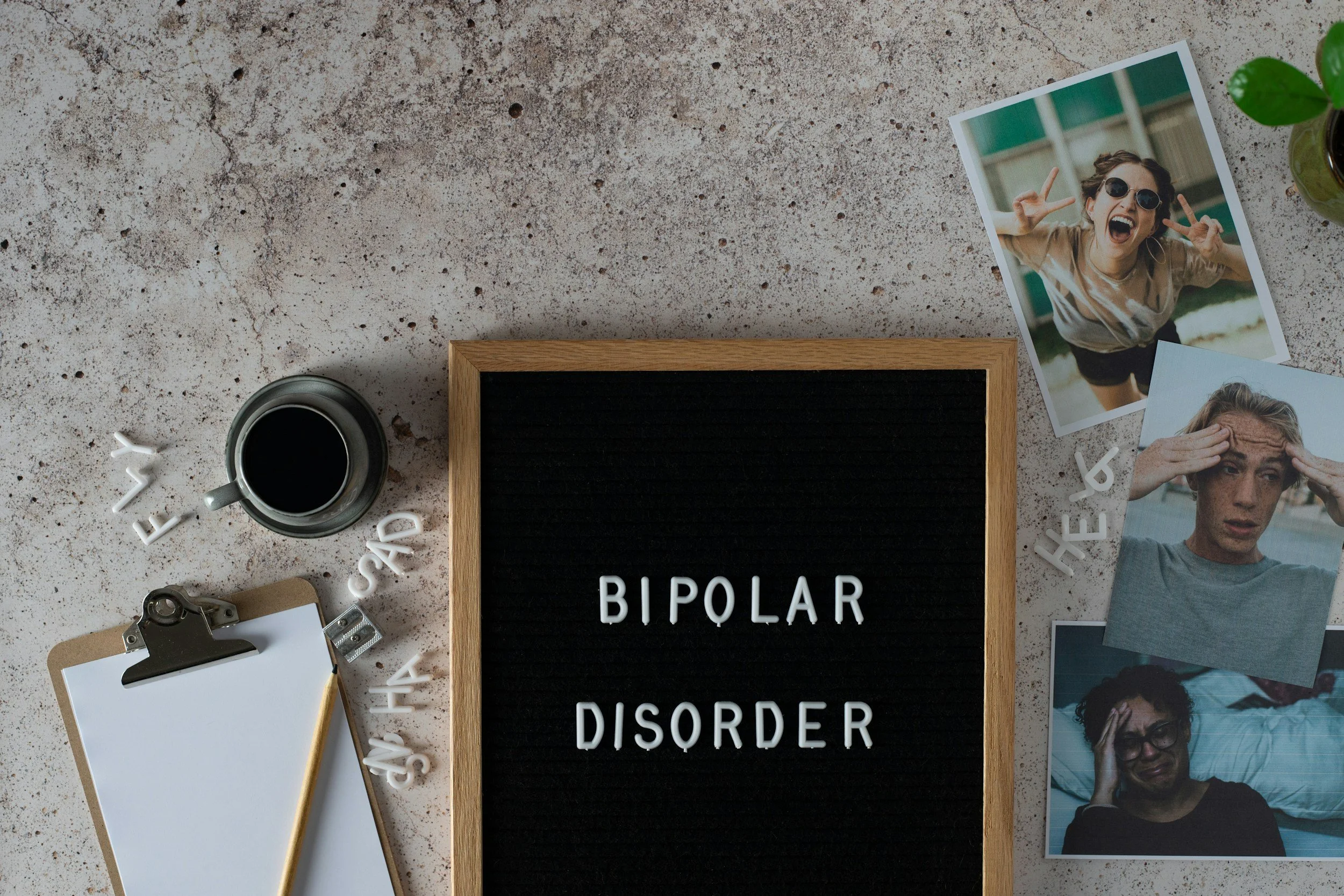
Understanding Bipolar Disorder: Signs, Treatment, and Finding the Right Therapist
Bipolar disorder is one of the most misunderstood mental health conditions. Many people assume it simply means experiencing frequent mood swings or rapidly changing emotions, but the reality is much more complex. Bipolar disorder involves distinct episodes of depression and mania or hypomania that can significantly affect a person's thoughts, energy, behavior, and daily functioning.
The good news is that bipolar disorder is highly treatable, and with the right combination of support, many people lead healthy, meaningful, and fulfilling lives. Therapy often plays an important role alongside medication, helping individuals better understand their symptoms, strengthen coping skills, and build routines that support long-term wellness.
While everyone's experience is unique, there are some common signs of bipolar disorder.
During depressive episodes, people may experience persistent sadness, hopelessness, loss of interest in activities they once enjoyed, changes in sleep or appetite, fatigue, difficulty concentrating, feelings of worthlessness, or thoughts of death or suicide.
During manic episodes, which occur in Bipolar I Disorder, individuals may experience unusually elevated or irritable mood, decreased need for sleep, increased energy, racing thoughts, rapid speech, inflated self-confidence, impulsive decision-making, increased goal-directed activity, or engaging in risky behaviors. In some cases, mania can become severe enough to involve psychosis or require hospitalization.
People with Bipolar II Disorder experience hypomania rather than full mania. Hypomania shares many of the same characteristics but is generally less severe and does not cause the same level of impairment. Because hypomania can sometimes feel productive or enjoyable, many people initially seek treatment only for depression, making bipolar disorder more difficult to recognize.
Therapy can be incredibly valuable in helping individuals understand these mood patterns, recognize early warning signs, and develop strategies for managing symptoms before they escalate.
Several evidence-based therapy approaches have been shown to benefit people living with bipolar disorder. Cognitive Behavioral Therapy (CBT) can help individuals identify unhelpful thinking patterns, manage depressive symptoms, and develop practical coping strategies. Dialectical Behavior Therapy (DBT) teaches skills for emotional regulation, distress tolerance, mindfulness, and interpersonal effectiveness, which can be especially helpful when navigating intense emotions.
Interpersonal and Social Rhythm Therapy (IPSRT) is another well-supported treatment specifically designed for bipolar disorder. This approach emphasizes maintaining consistent daily routines, particularly around sleep, meals, and activity levels, as disruptions in routine can sometimes contribute to mood episodes.
Psychoeducation is also an important part of treatment. Learning about bipolar disorder empowers individuals to recognize triggers, monitor mood changes, understand the role of medication, and create plans for responding to early signs of mania or depression.
Equally important is finding a therapist who approaches bipolar disorder without stigma. Unfortunately, many people with bipolar disorder have experienced being labeled as "too much," "unpredictable," or "difficult." These stereotypes can discourage individuals from seeking care or being honest about their experiences.
A compassionate therapist recognizes that bipolar disorder is not a character flaw or a personal failing. Instead of judging mood episodes, they work collaboratively with clients to understand patterns, identify strengths, and develop strategies that support stability and quality of life. They also recognize that each person's experience with bipolar disorder is different and tailor treatment to the individual's unique goals and needs.
Living with bipolar disorder can present challenges, but it does not define who someone is or what they are capable of achieving. With evidence-based treatment, supportive relationships, and a therapist who offers empathy instead of judgment, individuals with bipolar disorder can build fulfilling lives while learning to navigate the ups and downs of their condition with confidence and self-compassion.
Learn more: What is bipolar disorder and how can therapy help?
Related Posts